Herringbone crochet stitch: The Story Behind It
When I was about 20, I taught myself to crochet. I mainly used photos and written explanations rather than videos, and it took me quite a while to realize that I was working the basic crochet stitch, single crochet, incorrectly. It didn't happen immediately. It took me several months, perhaps even a year, before I noticed the visual difference between my sc rows and those in other people's projects.
How is it possible to work such a simple stitch wrong?
Well, I was simply inserting the hook into the loop from a different direction, with the hook tip pointing toward me. This creates the wrong-side look of the stitch.
But that was my starting point. I began exploring stitch construction and realized that the same stitch can be worked in many different ways, because each stitch consists of several strands, and they can all be used in different combinations. ◍•ᴗ•◍
Many of my stitches were born through experiments like this: sitting down and trying to work into every strand available. Not every attempt leads to something beautiful, but sometimes a true gem appears, like the Herringbone crochet stitch.
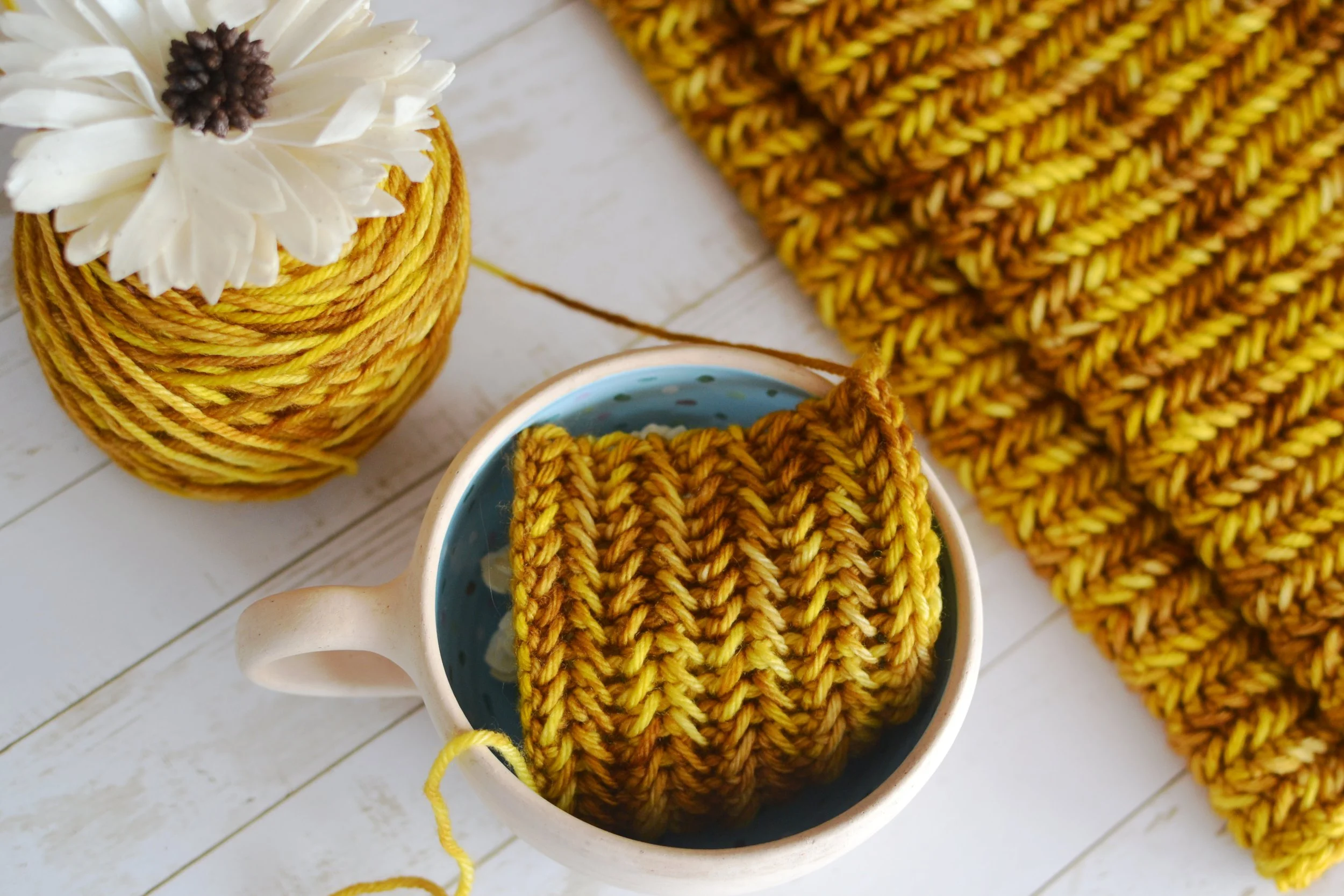
It is amazing in its simplicity.
These are still regular single crochet stitches worked into both loops of the stitch below, but before working each new stitch, the hook is inserted through the left leg of the previously worked stitch. So technically, you work each single crochet into both loops of the stitch below and one strand of the previous stitch in the current row.
One tiny change in where to place the new stitch, and what a drastic difference in the overall texture!
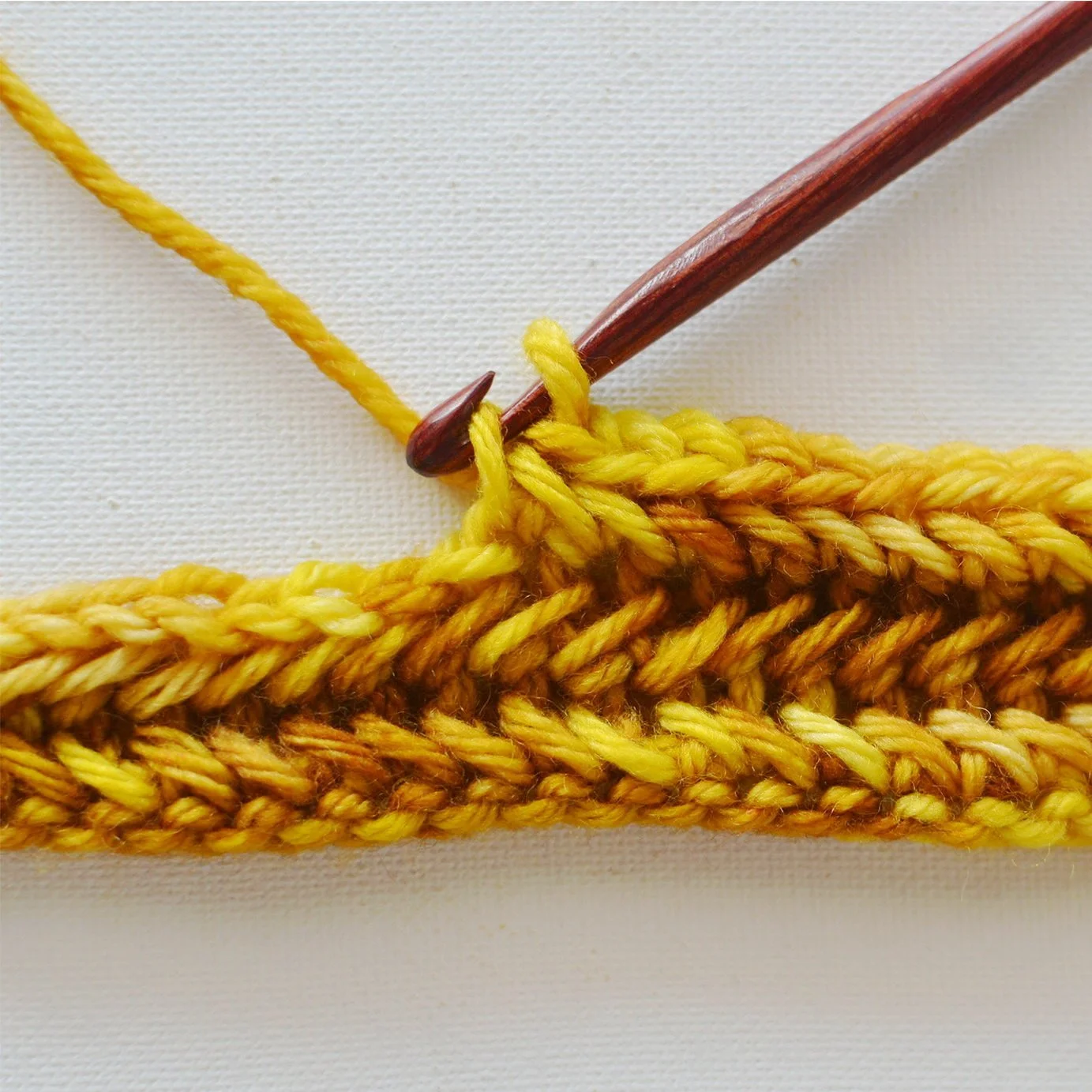
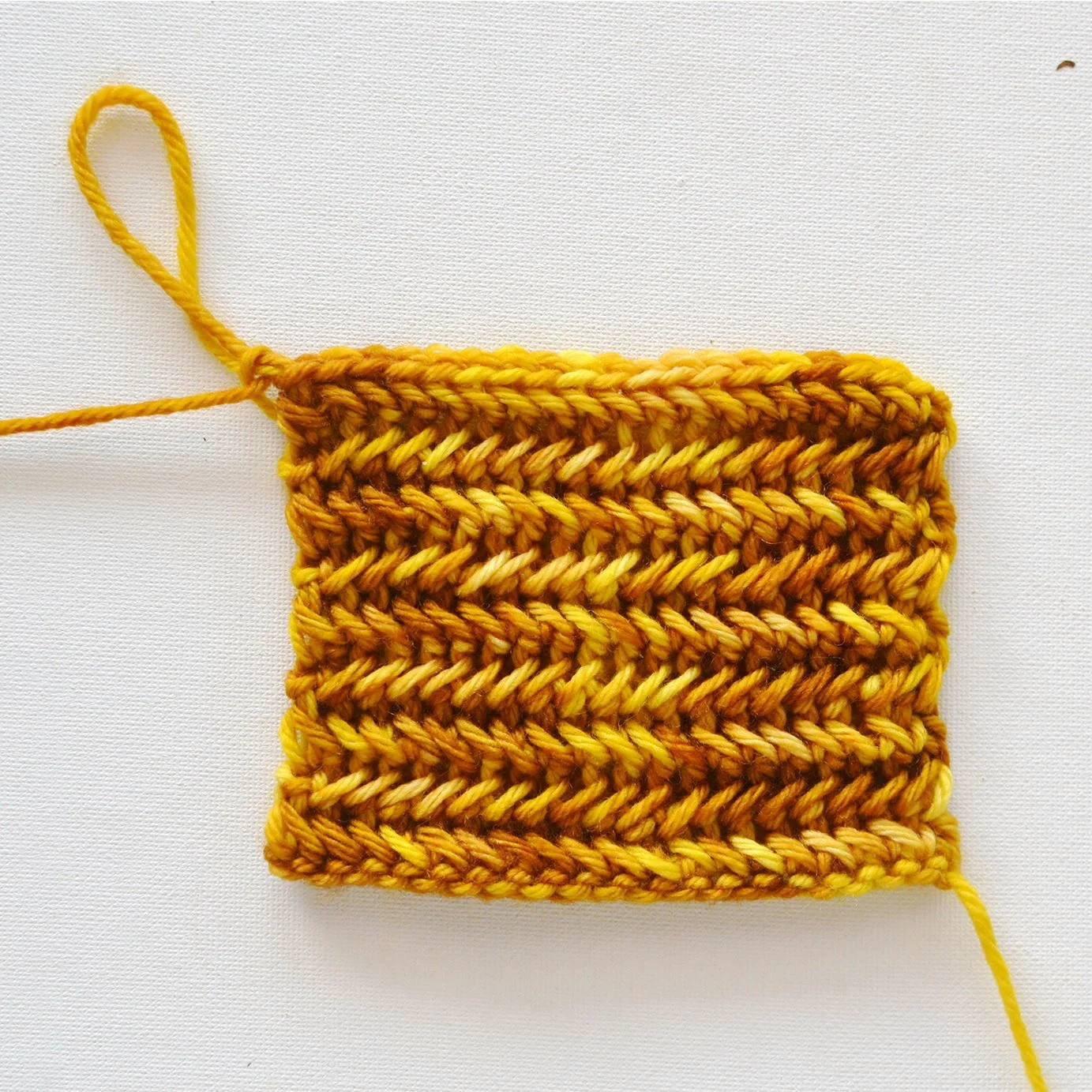
To achieve the matching look on the right side (so that both rows look like slanted lines), I used that very first mistake of mine, the one that later led me to discover many new stitches. I worked the same stitch in reverse, inserting the hook with its tip pointing toward me and working every step as a mirror image.
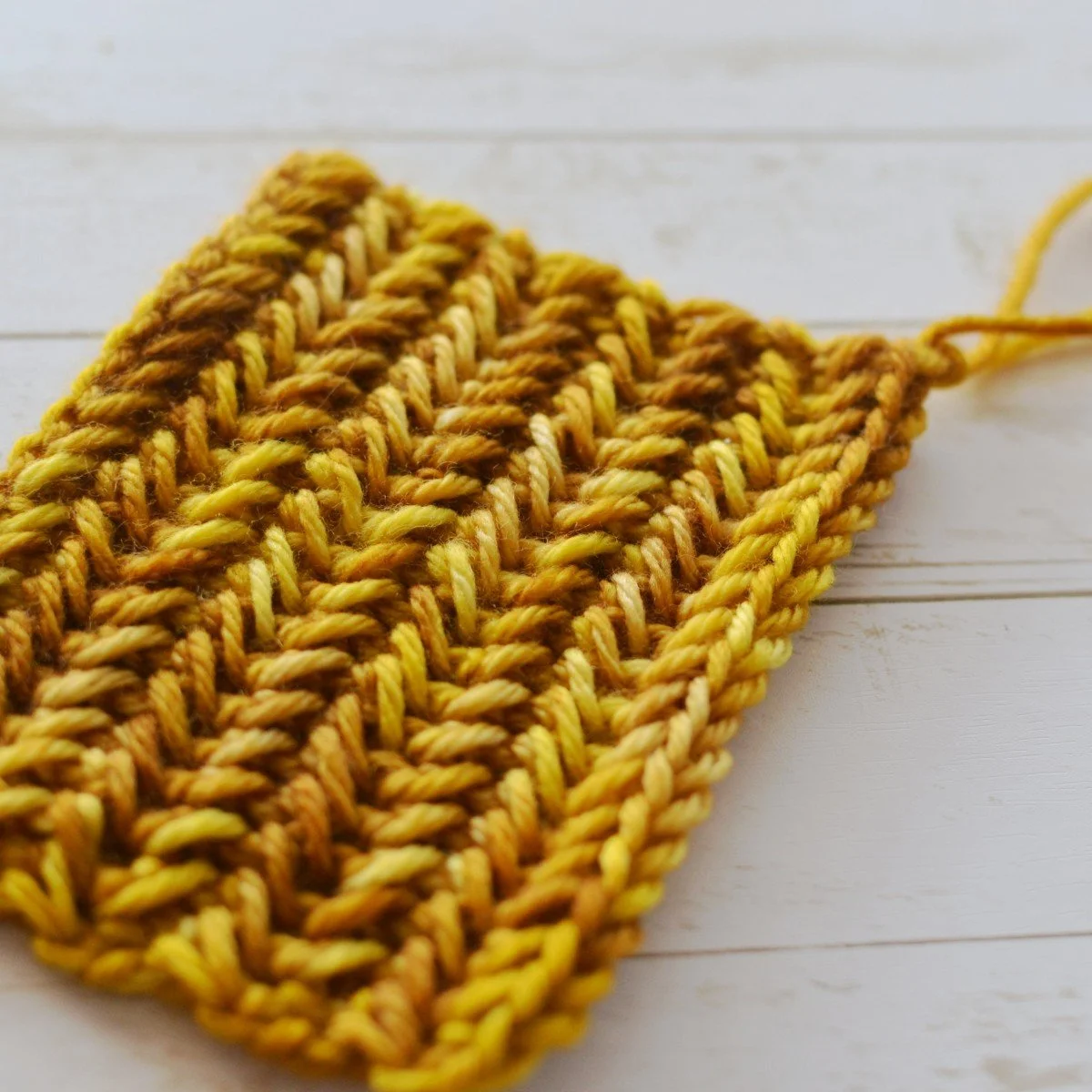
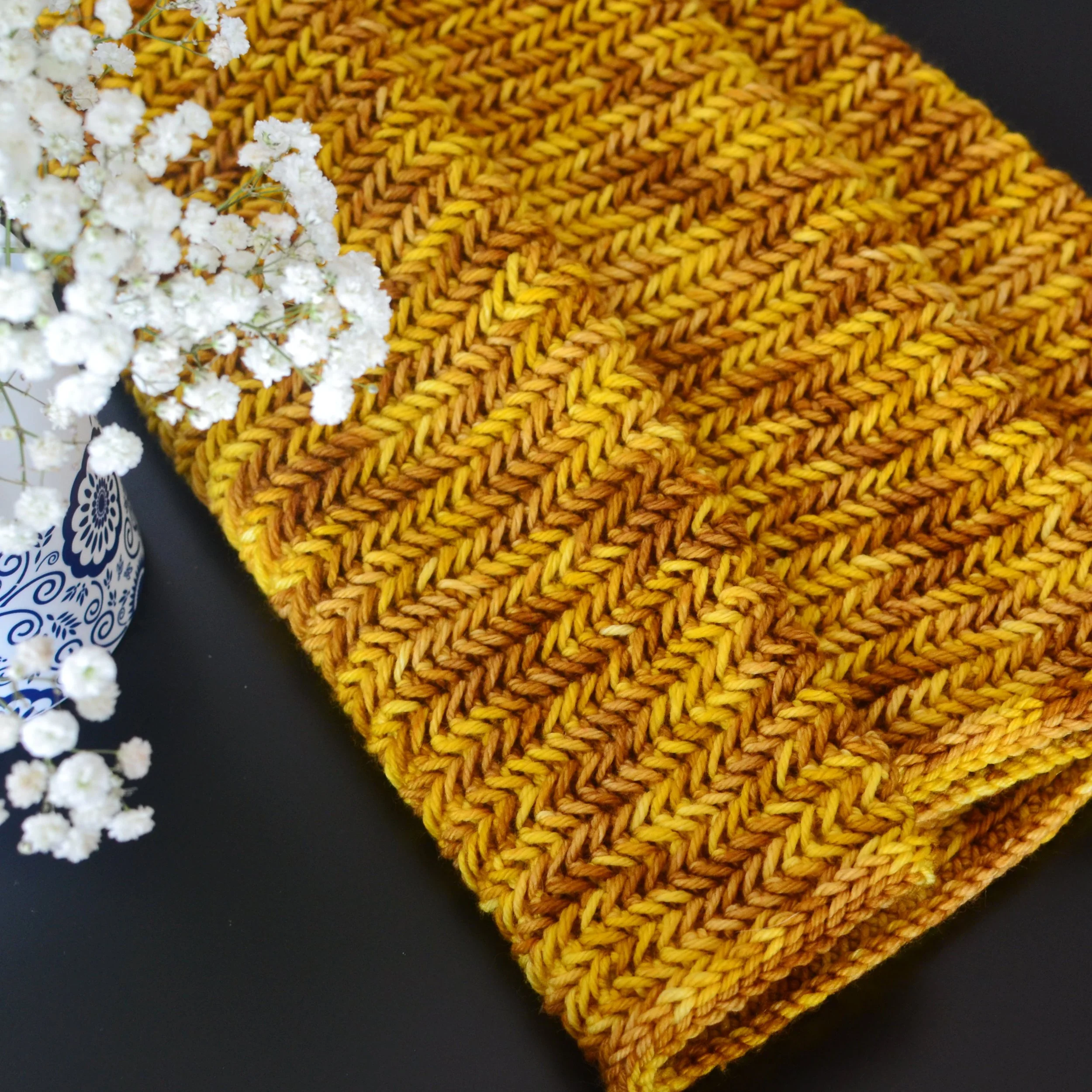
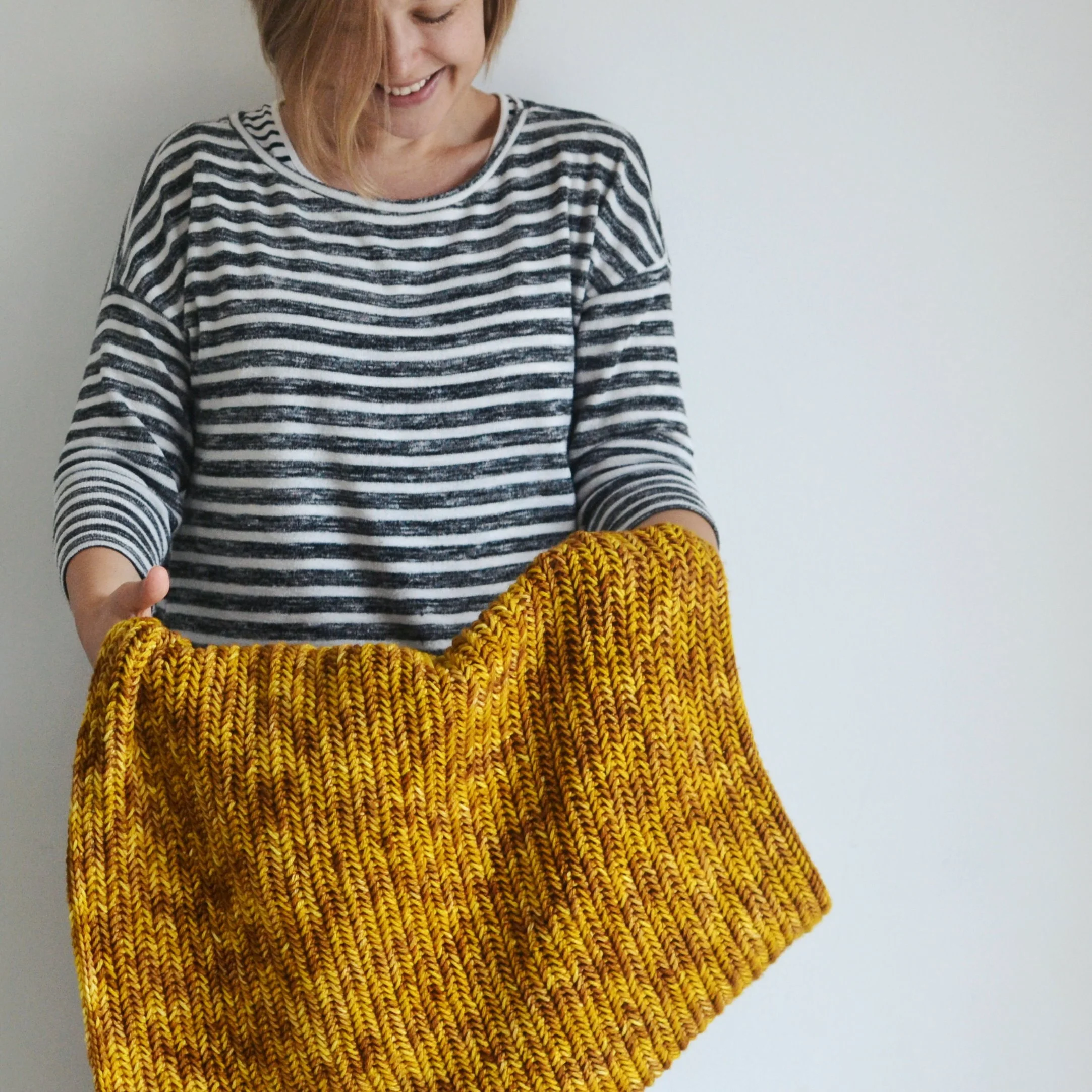
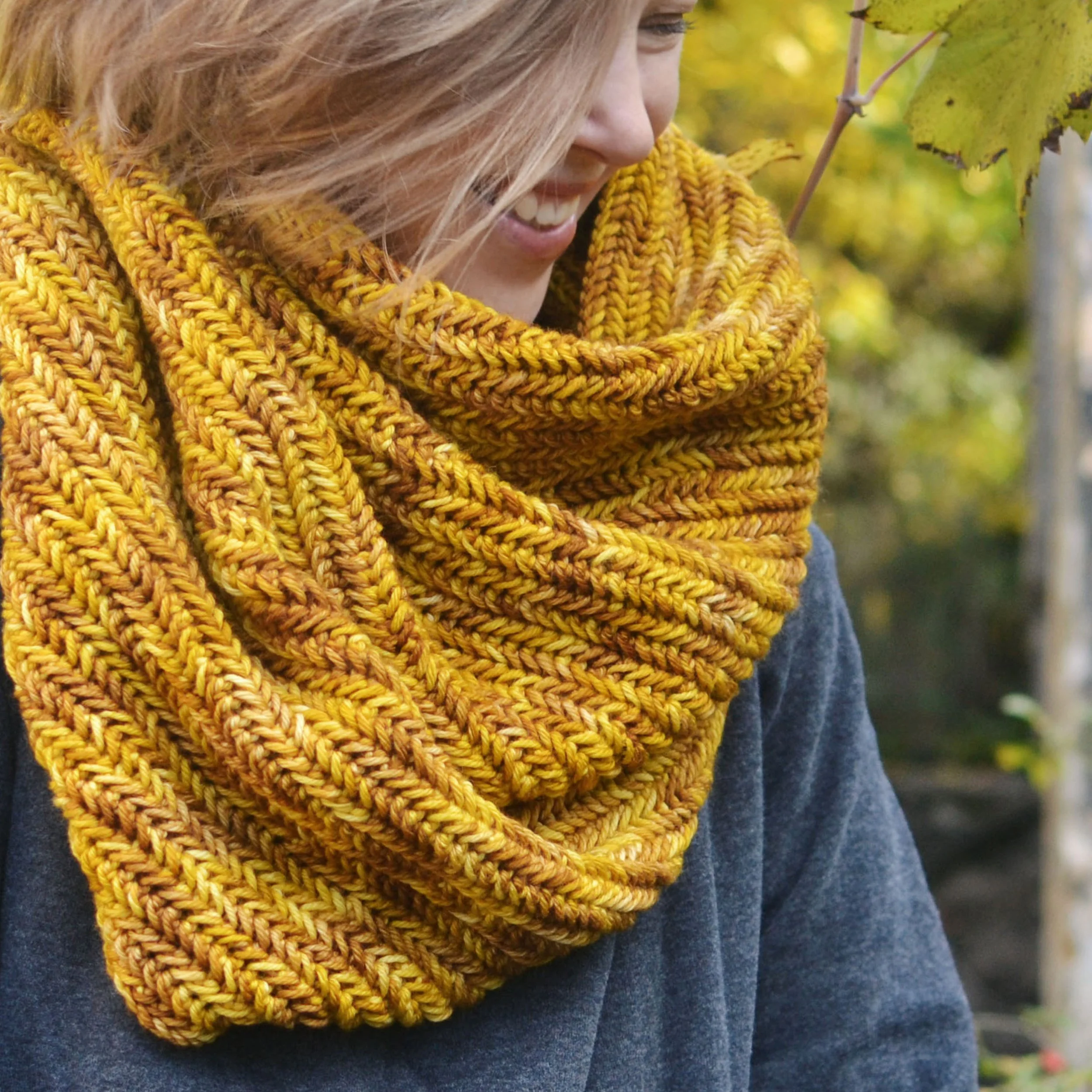
Kruska cowl, Herringbone crochet stitch, December 2019
I continued experimenting with this idea, using one row of the Herringbone stitch and working the other in plain single crochet. And that’s how the V-ridge stitch was born. Just one change, and we have another texture, different in both look and drape.
In January 2023, this stitch was published in the form of the Dunwich Cardigan for Malabrigo, and later included in my New Ways with Crochet book.
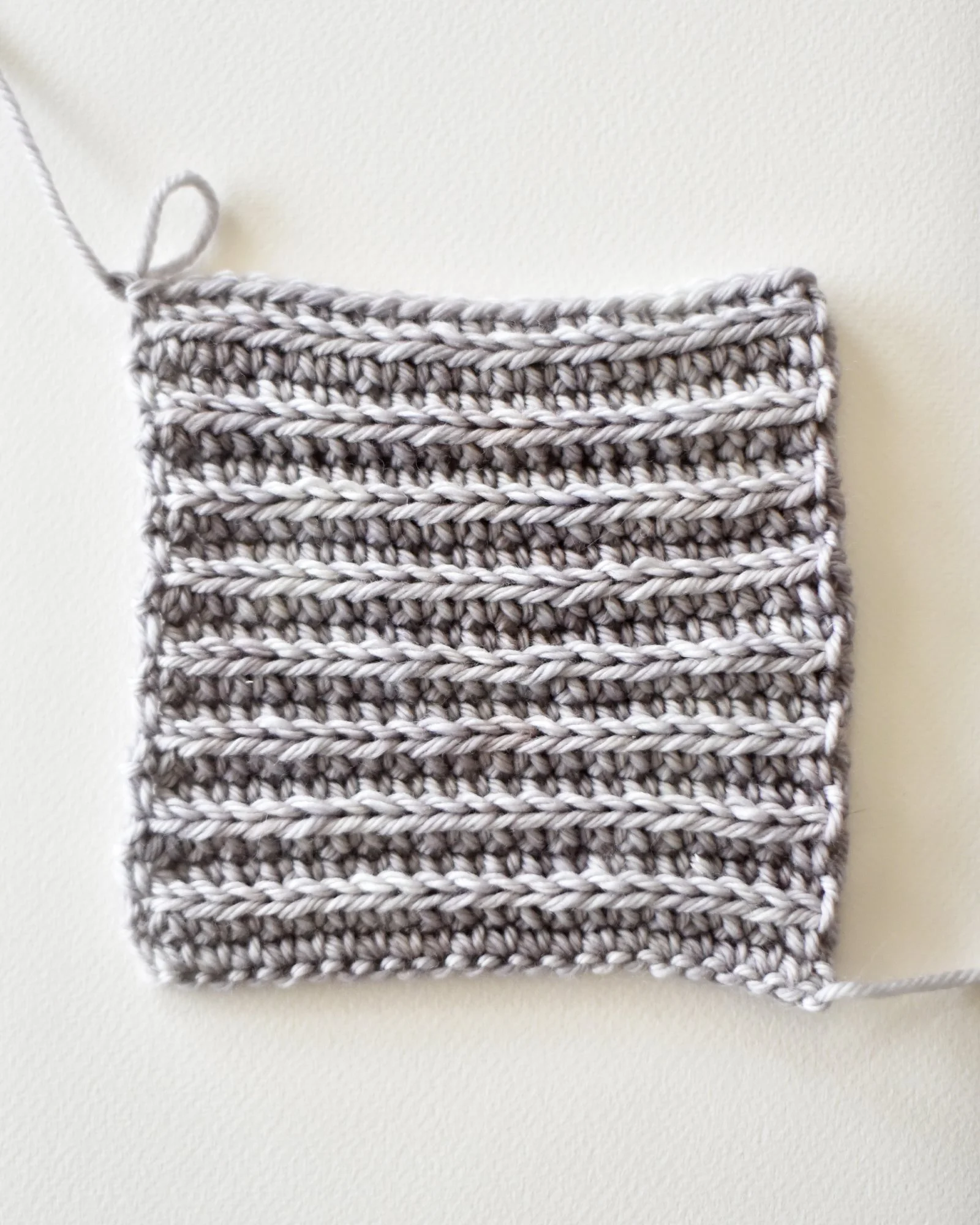
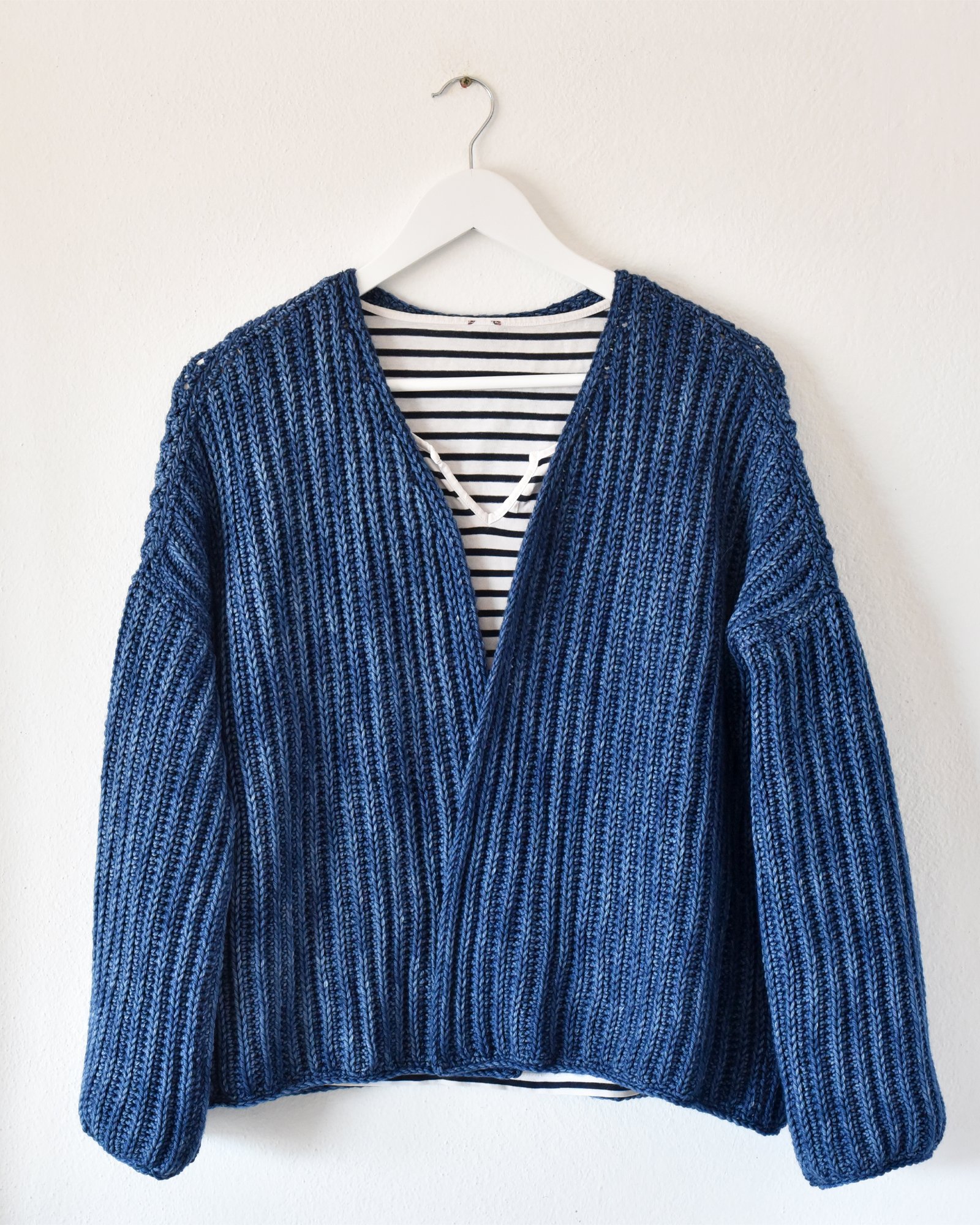
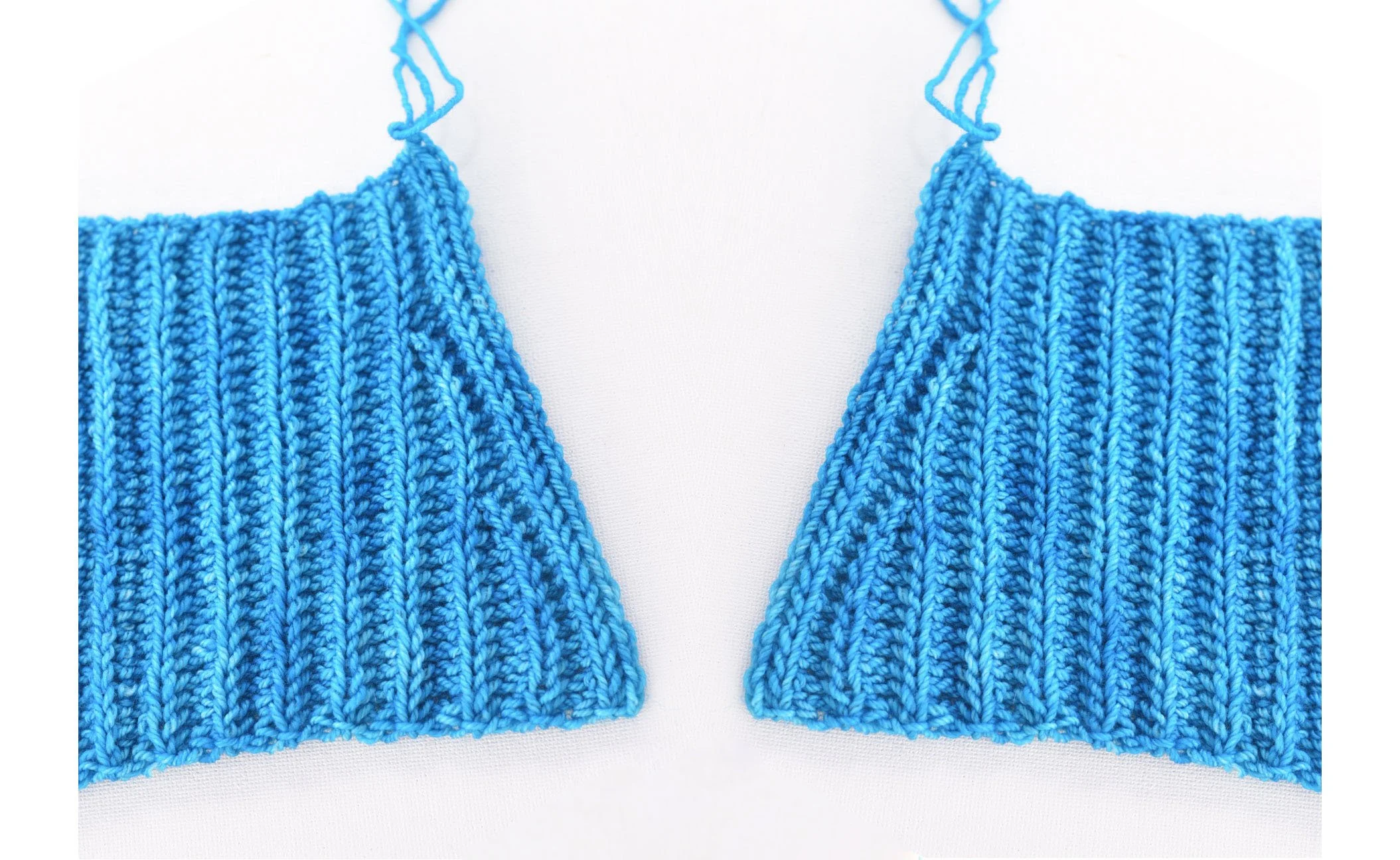
Often, you do not need to invent new ways of working a stitch. For the Herringbone crochet stitch, it was enough to change one row to achieve a new look. And I keep experimenting. ◍•ᴗ•◍
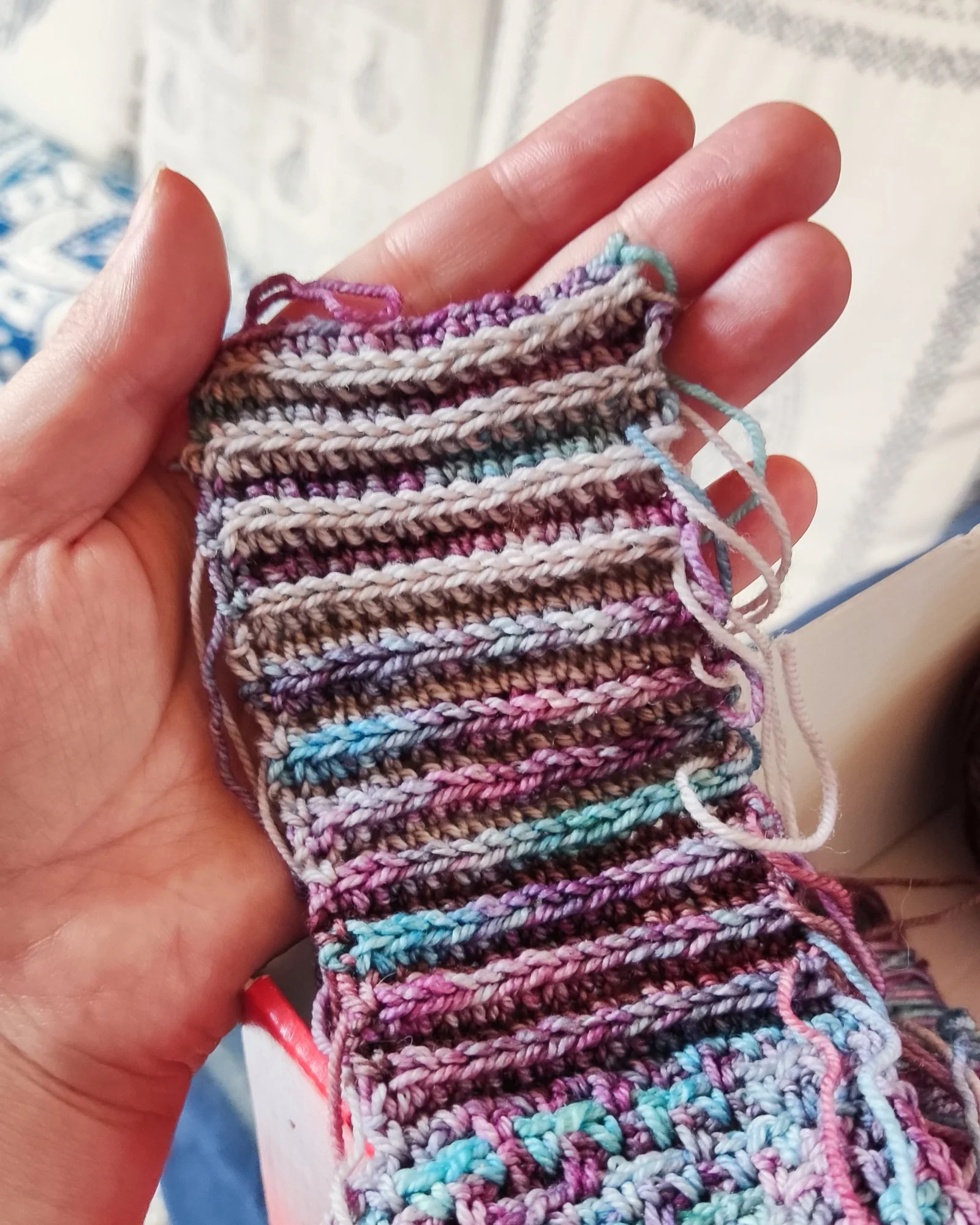
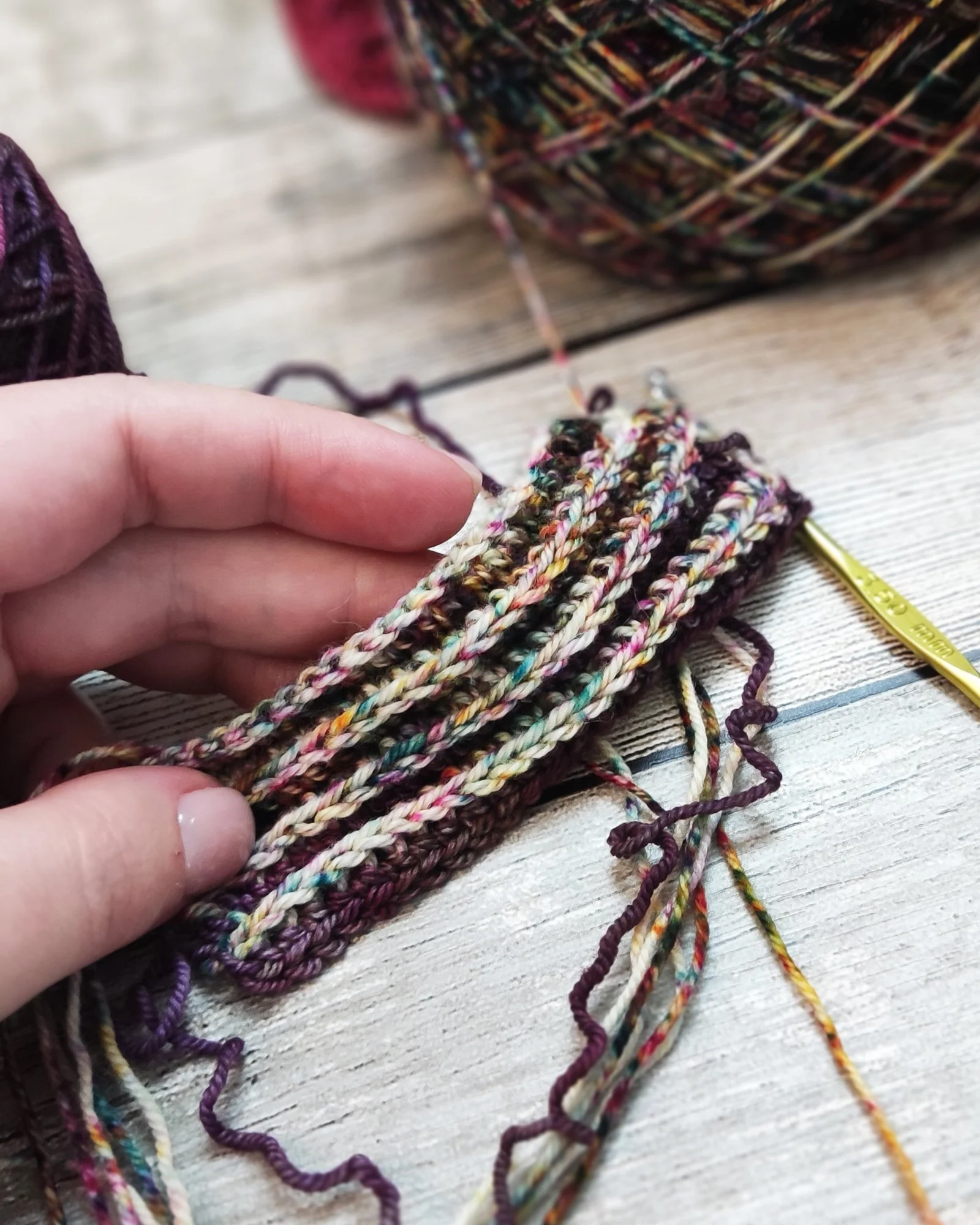
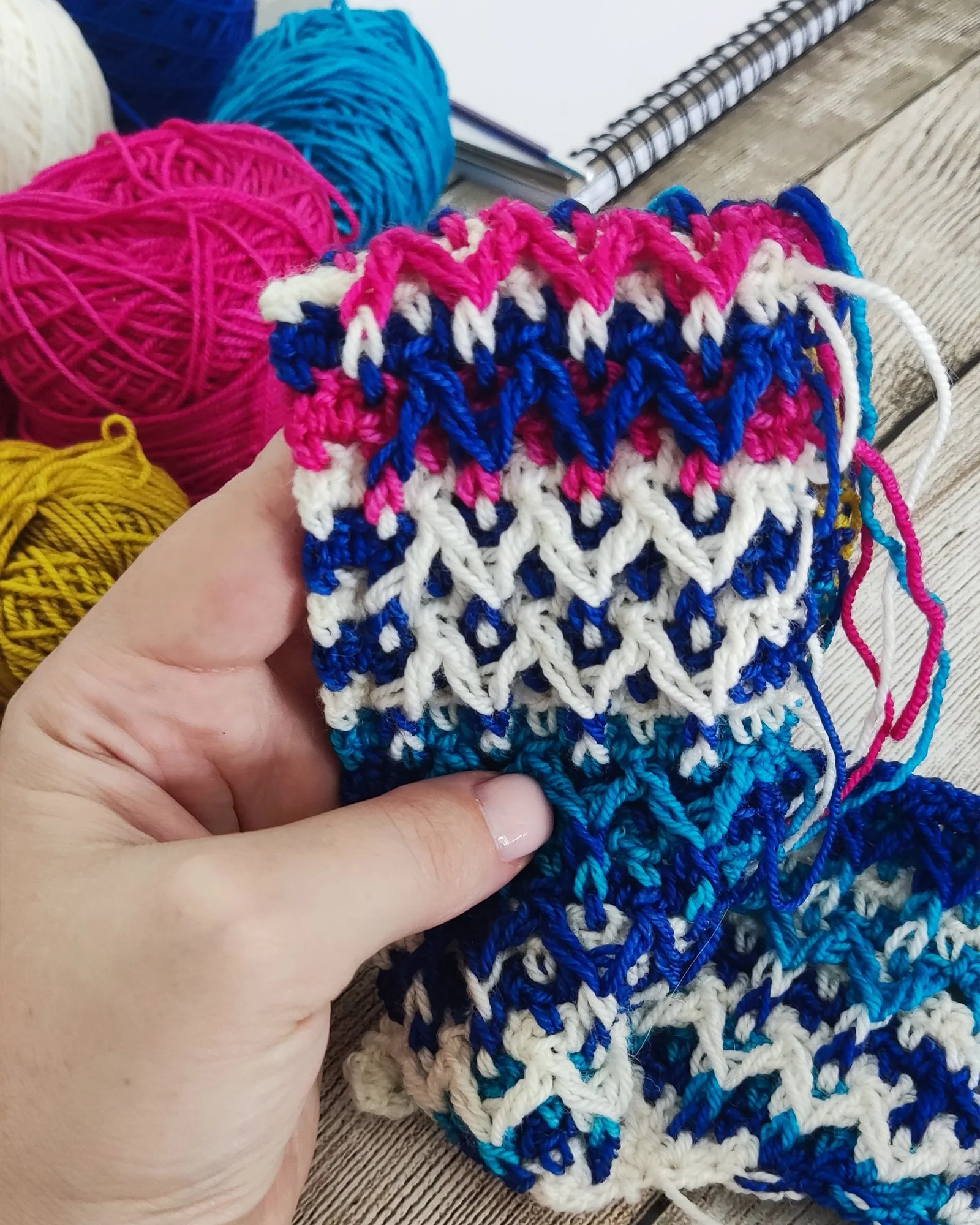
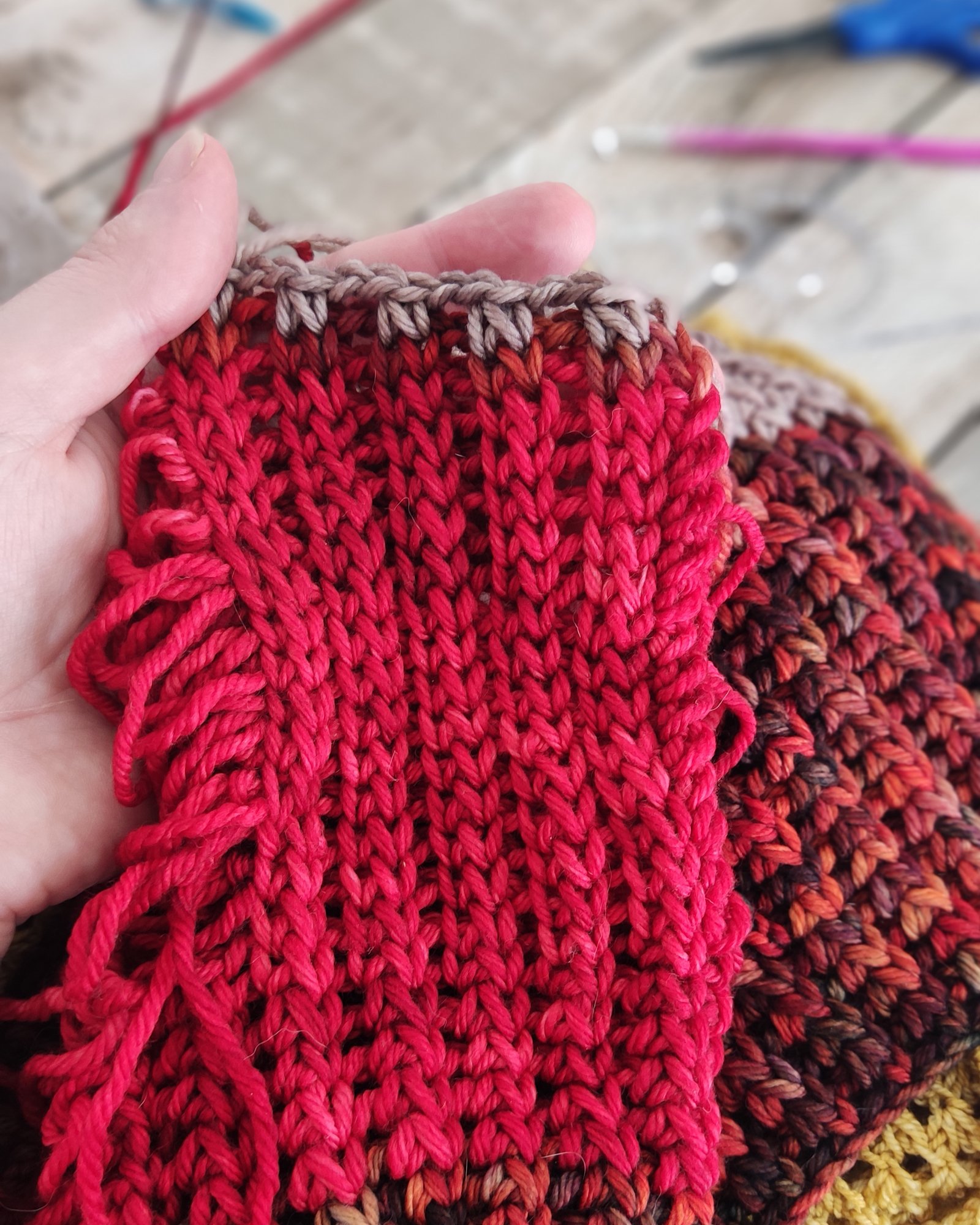
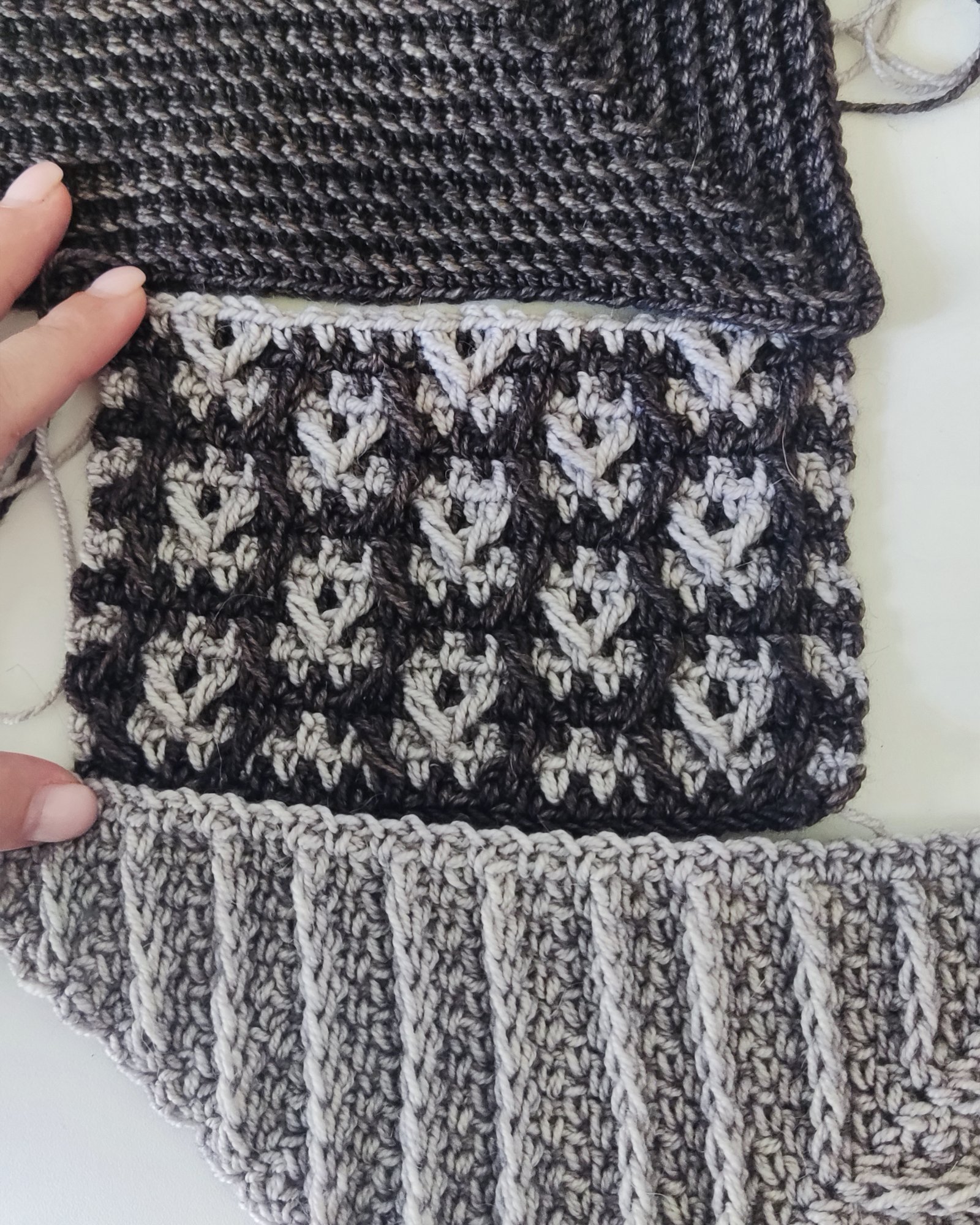
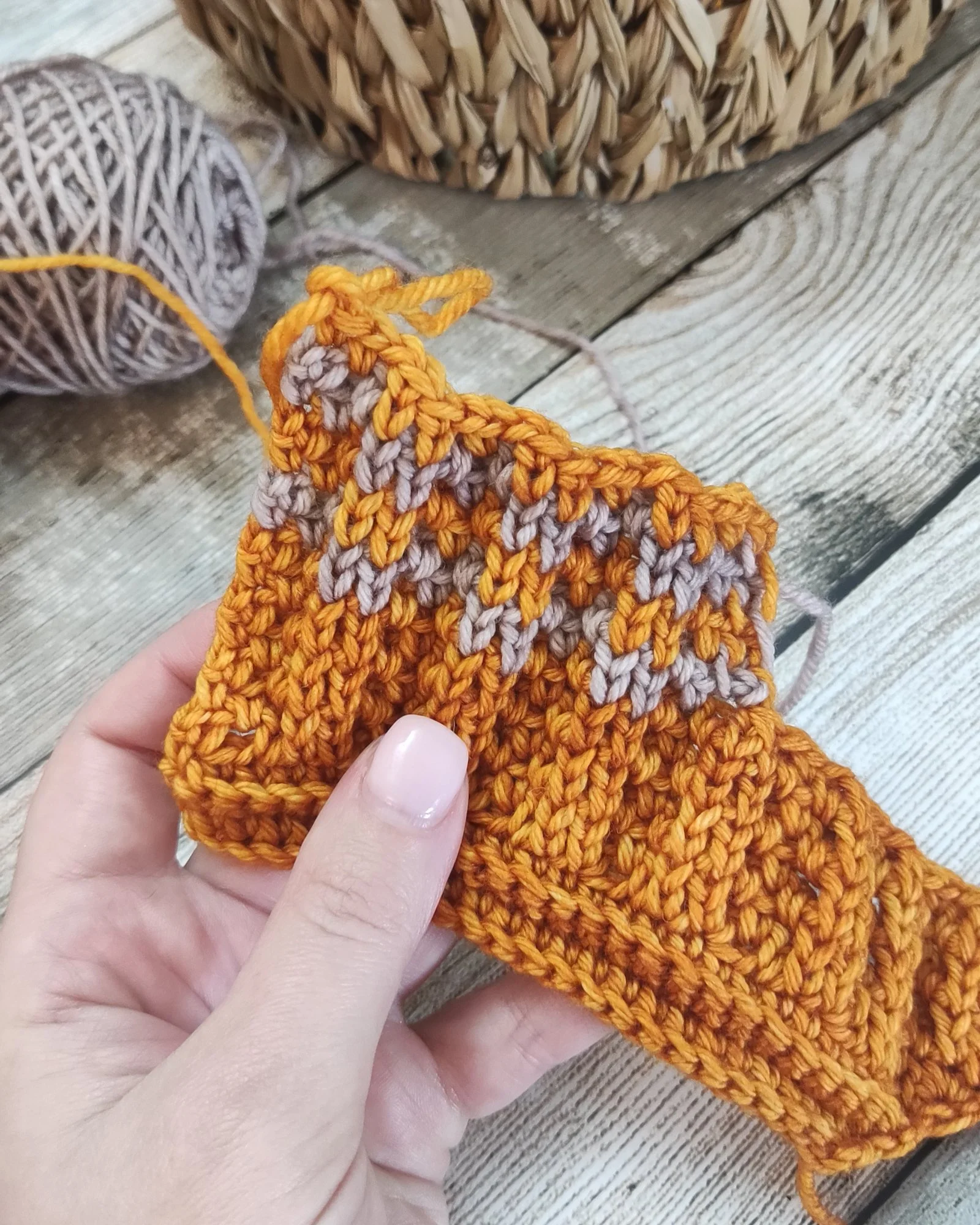
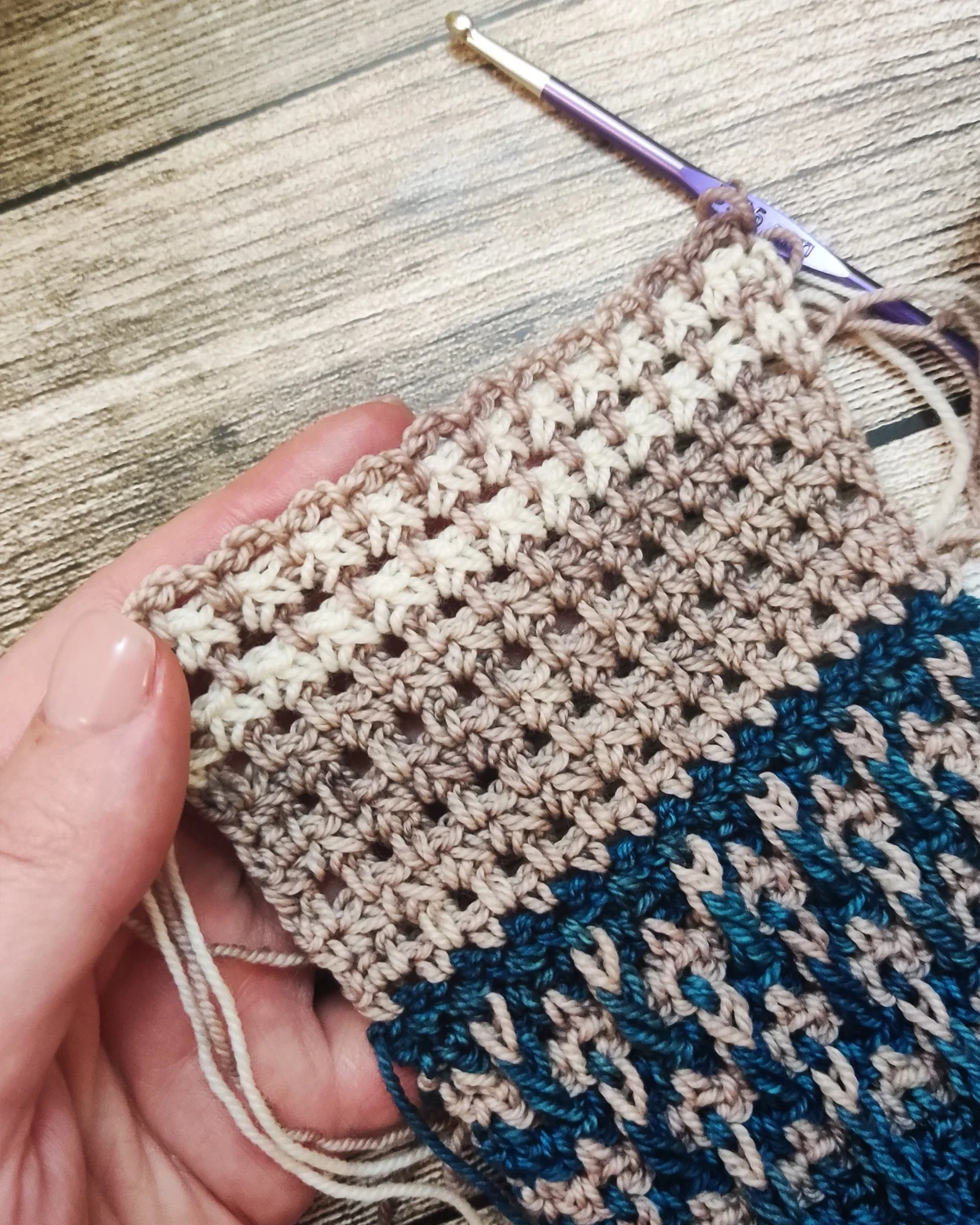
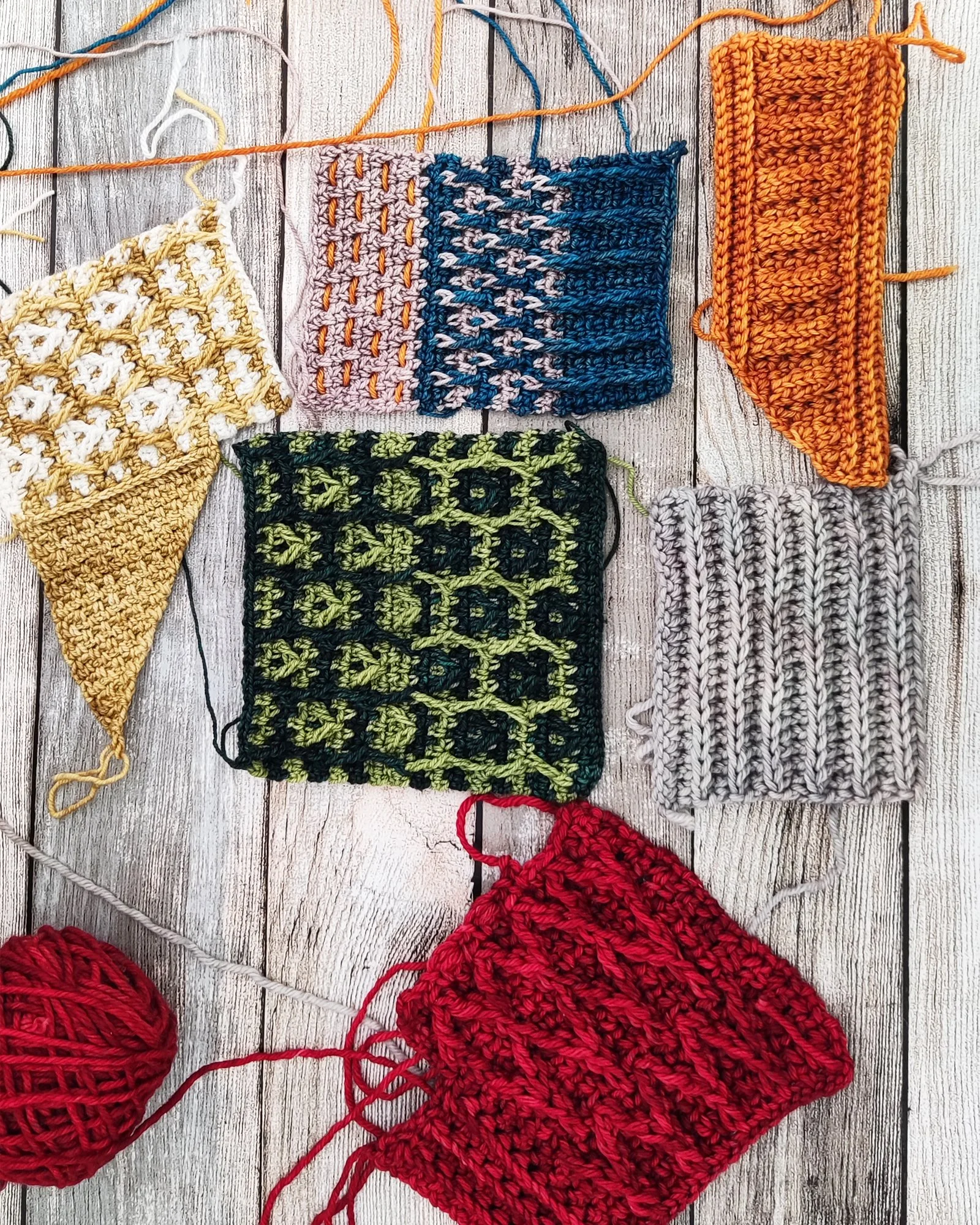
When my Kruska cowl pattern, featuring the newly created Herringbone crochet stitch, was published, I was so excited about it that I shared the pattern for free to show others the amazing possibilities of crochet.
Pretty soon, multiple tutorials appeared, rarely (never) mentioning my name as the author.
Even after all these years, I still feel hurt whenever I come across this stitch everywhere without any mention of its origin, as if it had always existed in crochet. This experience made me stop sharing and being open to the public for a long time.
I am writing this because respecting authors is not just an empty phrase. We simply risk losing the very thing that makes our craft evolve: their curiosity to explore, discover, and share something new.
Every new idea begins with someone willing to try something different. Supporting their work is one way to keep that spirit alive. ♡
